
Blog
CBD vs. THC: Key Differences, Effects,

CBD vs THC / Introduction
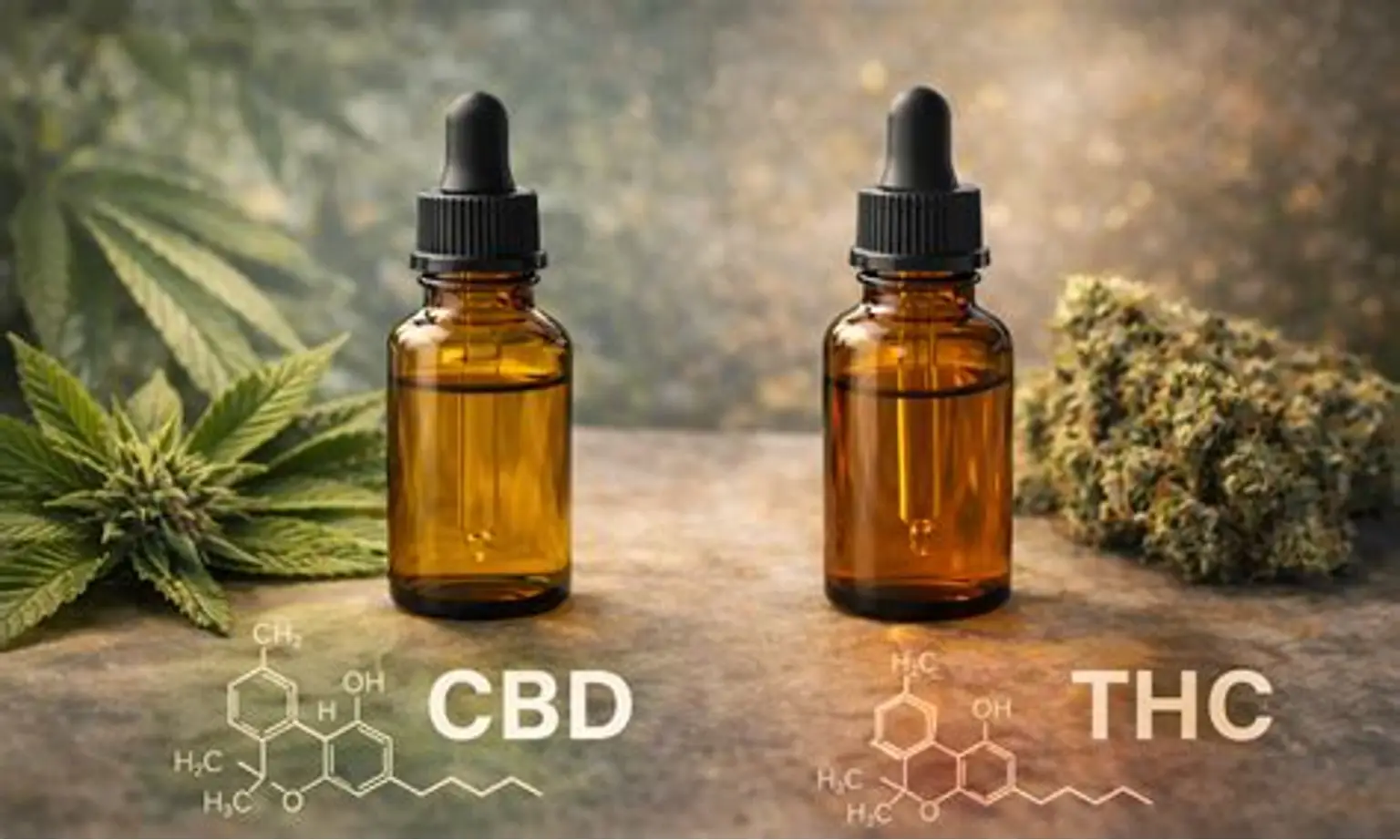
CBD vs THC are two well known compounds found in the cannabis plant. Although they come from the same plant, they differ in their effects, how they interact with the body, and the legal rules that may apply to products containing them.
Understanding these differences can help readers evaluate health information carefully and recognize why product labels, scientific evidence, and local regulations matter.
CBD vs THC
What Is CBD?
Cannabidiol, commonly known as CBD, is a cannabinoid found in cannabis. Unlike THC, CBD does not typically produce the same intoxicating effects associated with a cannabis high.
CBD is sold in various product formats, but availability does not mean every product has been proven effective or evaluated for safety. Research is ongoing, and evidence depends on the condition and the specific product being studied.
What Is THC?
Tetrahydrocannabinol, or THC, is the principal intoxicating compound in cannabis. It can affect perception, attention, memory, coordination, and mood.
Its effects can vary depending on the person, the product, and other circumstances. THC can also cause unwanted effects, including anxiety or confusion in some people.
CBD vs THC: The Main Differences
Intoxicating effects: THC can cause a high, while CBD does not typically produce that effect.
Research: Scientists are studying both compounds, but evidence differs substantially by condition and formulation.
Safety: Both compounds can have risks. CBD can interact with medications and may cause side effects. THC can impair judgment and coordination and may cause unpleasant psychological effects.
Product quality: Labels and actual contents do not always match. Product composition and contamination are important considerations.
What Does the Research Say?
Cannabinoid research is an active field, but findings should be interpreted carefully. Evidence from a clinical trial of a specific formulation cannot automatically be applied to every product sold online.
Be cautious of claims that CBD or THC can cure anxiety, chronic pain, insomnia, or other conditions. Readers with health concerns should discuss evidence-based options with a qualified healthcare professional.
Understanding Legal Status
Cannabis and cannabinoid laws vary by country, state, and product type. Rules may distinguish between hemp-derived products, marijuana-derived products, THC concentration, and approved medicines. Laws can also change.
How to Evaluate Product Information
When reading about cannabinoid products, look for:
- Clear ingredient and cannabinoid information.
- Independent laboratory testing, where available.
- Transparent manufacturer and product details.
- Realistic claims supported by reliable evidence.
- Appropriate warnings and compliance with local regulations.
Avoid treating customer testimonials as proof of medical effectiveness.
Frequently Asked Questions
Does CBD cause a high?
CBD does not typically cause the intoxicating high associated with THC. However, product composition and possible THC contamination matter.
Is THC legal everywhere?
No. Laws vary by jurisdiction and product type. Check current official local guidance.
Conclusion
CBD and THC are different cannabinoids with different effects, evidence bases, and safety considerations. Understanding these distinctions—and checking reliable scientific and legal sources—can help readers make more informed decisions.
Health note: This article is for educational purposes and is not medical or legal advice. Consult a qualified healthcare professional about health concerns and official government sources about applicable laws.